Talking to Your Partner or Family About Midwifery Care
Family skepticism usually comes from an old picture of midwifery: home birth, no medicine, no doctor nearby. Hospital Certified Nurse-Midwives are graduate-trained nurses who deliver in hospitals with epidurals and a surgeon on site. You can send this page instead of arguing at dinner.
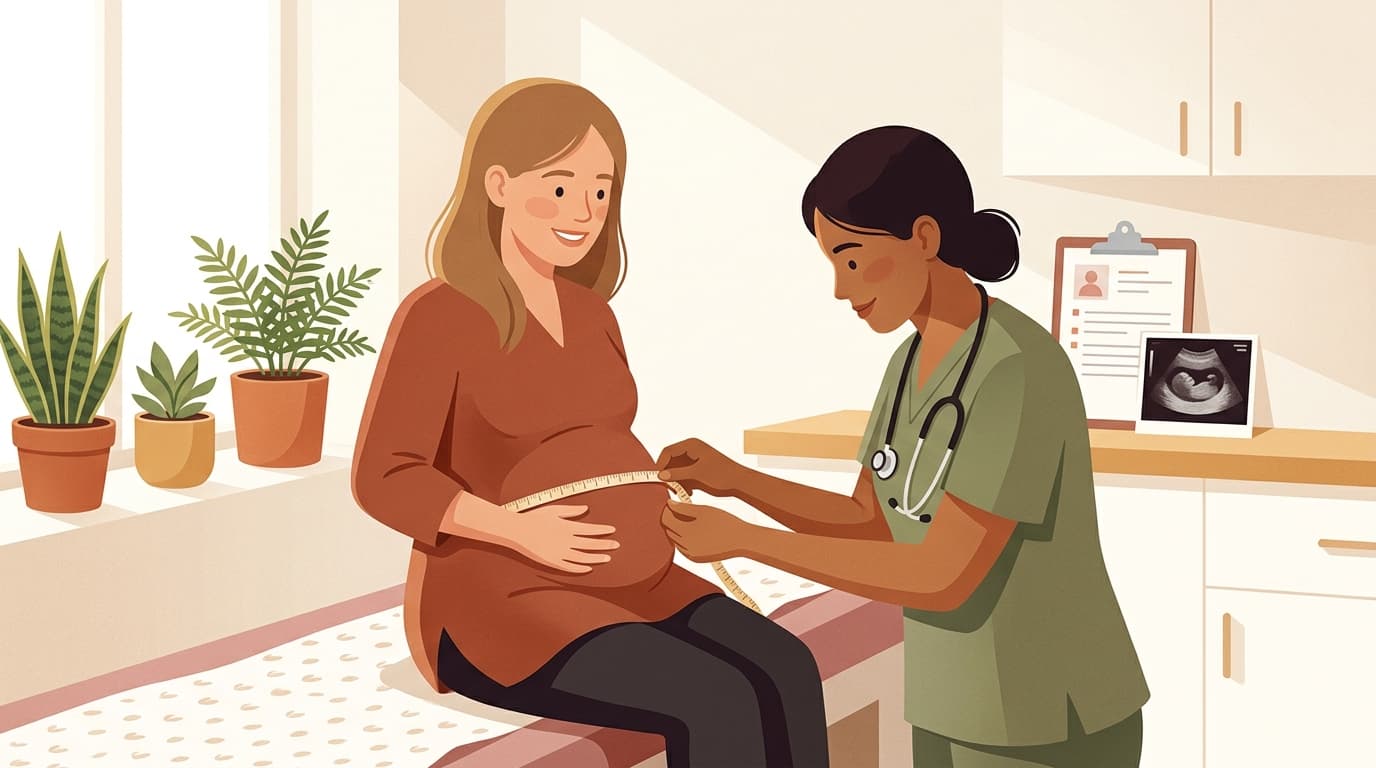
If someone you love thinks a midwife means no hospital, start here
That picture is leftover from media and from mixing up credential types. Wanting a midwife is not a rejection of your parents' births or of pain relief. It is a request for longer visits and a known clinician in a hospital that still has an operating room.
Three facts that usually change the conversation
First, more than 94% of CNM-attended births in the United States occur in accredited hospitals, according to National Center for Health Statistics data. Second, every Certified Nurse-Midwife holds a master's or doctoral nursing degree and passes the same American Midwifery Certification Board exam. Third, hospital CNMs work in a collaborative model with an obstetrician on site around the clock for surgical backup or cesarean.
What labor day looks like for a partner
The midwife stays in the room for clinical and comfort support. The obstetrician is in the hospital if a complication appears. Epidurals are available on request, placed by the anesthesia team. Partners are included in decisions, can help with labor support, and can cut the cord and do skin-to-skin if that is the plan. The building is still a hospital.
How to share this page without turning it into a fight
Send the link with one sentence: you found a plain-language explanation and wanted them to read it. Do not demand agreement in the same text. People who are scared for you need time to replace an old picture with a current one.
More educational guides
Educational content only. Not individual medical advice. Confirm hospital policies and your state board of nursing guidance with your care team. Sources